Miles from Protection: How Geography Is Quietly Undermining Vaccine Access for Rural Americans

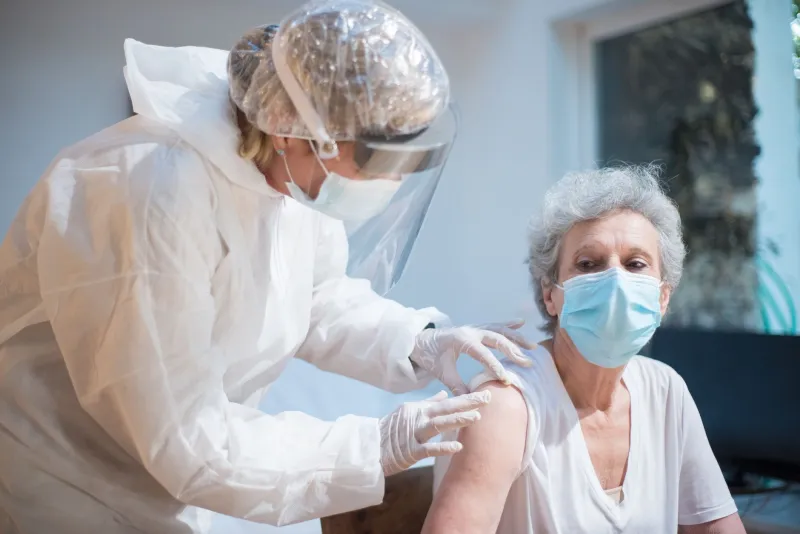
In urban America, receiving a flu shot or an updated shingles vaccine can be as routine as stopping at a pharmacy on the way home from work. For residents of rural counties, however, the same errand may require half a day of travel, time off from work, and a level of logistical planning that many simply cannot manage. This is not a story about vaccine hesitancy. It is a story about access — and the consequences of its absence.
According to data from the Centers for Disease Control and Prevention (CDC), vaccination rates across nearly every recommended immunization consistently lag in rural counties compared to their urban counterparts. The gap is not trivial. In some states, the difference in adult immunization coverage between metropolitan and non-metropolitan areas exceeds fifteen percentage points for vaccines such as Tdap, pneumococcal, and the HPV series. These are not obscure immunizations. They are standard, recommended protections that millions of Americans are quietly going without.
The Infrastructure Problem Nobody Wants to Talk About
The phrase "healthcare desert" has entered the public conversation in recent years, but its implications for immunization specifically deserve closer examination. Rural communities across states like Mississippi, West Virginia, Montana, and the Dakotas have experienced dramatic reductions in healthcare infrastructure over the past two decades. Rural hospital closures have numbered in the hundreds since 2010. With each closure, the community doesn't just lose emergency services — it loses the clinical ecosystem that supports routine preventive care, including vaccination.
Pharmacies, which have become a primary vaccination site for many adults, are similarly absent in large swaths of rural America. The National Rural Health Association estimates that approximately 630 rural counties have no pharmacy at all. For residents of these communities, the nearest vaccine-administering location may be thirty, fifty, or even eighty miles away — a distance that, combined with limited transportation options and inflexible work schedules, functions as an effective barrier even for motivated individuals.
Supply chain dynamics compound the problem. Vaccines that require cold-chain storage — meaning they must be maintained at specific temperatures from manufacturer to patient — present particular challenges for small rural clinics operating with limited refrigeration capacity and infrequent delivery schedules. When shipments are delayed or disrupted, rural providers often lack the redundancy to compensate. Urban health systems, by contrast, typically maintain larger inventories and have access to multiple distribution channels.
Provider Shortages and the Compounding Effect
Even when vaccines are physically available in a rural area, the shortage of healthcare providers creates a secondary barrier. The Health Resources and Services Administration (HRSA) designates thousands of rural areas as Health Professional Shortage Areas, meaning they lack sufficient primary care providers relative to their population. When a community has one physician serving several thousand patients — or no physician at all — preventive care consistently falls to the bottom of the priority list.
Nurse practitioners and physician assistants have increasingly filled gaps in rural primary care, and many states have expanded their scope of practice to facilitate this. However, even these providers are stretched thin. Vaccination counseling, which is essential for addressing patient questions and ensuring appropriate immunization for individuals with complex health histories, requires time that overburdened rural providers often cannot offer.
This shortage also has a generational dimension. Rural healthcare providers tend to be older on average, and retirement rates in these communities are not being matched by recruitment of younger clinicians. Medical school graduates disproportionately choose to practice in urban and suburban settings, driven by factors including loan repayment concerns, spousal employment opportunities, and professional development resources. Without deliberate policy intervention, the provider gap in rural America is likely to widen rather than narrow.
Who Bears the Greatest Risk
The populations most affected by rural vaccine access disparities are often those who most need protection. Older adults, who face heightened risk from influenza, pneumococcal disease, shingles, and COVID-19, are disproportionately represented in rural communities. The CDC recommends a robust immunization schedule for adults over 65, yet rural seniors face the steepest access challenges of any demographic group.
Agricultural workers represent another high-risk population that falls outside the reach of conventional immunization infrastructure. Migrant and seasonal farmworkers, many of whom live in rural areas for extended periods, frequently lack health insurance, stable addresses, and access to clinics with culturally competent staff. Tetanus and hepatitis A are among the vaccine-preventable diseases that carry elevated occupational risk in agricultural settings — yet immunization rates among this workforce remain poorly documented and almost certainly inadequate.
Children in rural communities are not immune to these gaps, either. While pediatric vaccination rates in the United States are generally higher than adult rates, rural children still demonstrate lower coverage on several recommended vaccines, including the HPV series, which is most effective when administered during adolescence.
What Progress Looks Like — and Where It's Happening
The picture is not uniformly bleak. Several states and local health departments have developed models that meaningfully improve rural vaccine access, offering instructive examples for broader replication.
Mobile vaccination units, deployed by state health departments in states including Kentucky and New Mexico, have demonstrated the capacity to reach communities that fixed-site clinics cannot serve. When equipped with appropriate cold-chain technology and staffed by trained vaccinators, these units can administer a wide range of immunizations in community settings — churches, fairgrounds, community centers — that residents already frequent and trust.
Federally Qualified Health Centers (FQHCs), which receive federal funding to provide care regardless of patients' ability to pay, operate in many rural areas and serve as important vaccination sites. Expanding FQHC funding and broadening their geographic reach has been recommended by public health advocates as one of the most cost-effective strategies for improving rural immunization equity.
Telehealth has also opened new pathways for vaccination counseling, allowing patients in remote areas to consult with providers about their immunization needs before visiting a clinic or pharmacy. While telehealth cannot administer a vaccine, it can remove informational barriers and help patients understand which immunizations are appropriate for their age, health history, and risk factors.
What Individuals and Advocates Can Do
For rural Americans seeking to understand and address their own immunization status, several resources are available regardless of geography. The CDC's adult immunization schedule, available at cdc.gov, provides a comprehensive framework for understanding which vaccines are recommended at different life stages. The Vaccines.gov locator tool allows users to search for vaccination sites by ZIP code, including pharmacies and health departments.
For those experiencing genuine access barriers, contacting a local health department directly can open doors to resources that are not always widely advertised, including home-visit programs and mobile clinic schedules. Patient advocacy organizations focused on rural health, such as the National Rural Health Association, can also connect individuals with state-specific resources.
At a policy level, advocates and community leaders can push for expanded funding for rural health infrastructure, support for FQHC expansion, and state-level programs that reimburse pharmacists and other non-physician providers for vaccination services. These structural changes require political will — but they also require public awareness of the problem's scale.
Closing the Distance
Vaccination is, at its core, an act of prevention — a decision to protect oneself and one's community before illness strikes. When geography determines whether that protection is accessible, the promise of preventive medicine is only partially fulfilled. Rural Americans are not less deserving of the immunization coverage that their urban counterparts receive as a matter of routine. Closing the rural vaccine gap is not merely a logistical challenge. It is a question of health equity — and one that demands sustained, coordinated attention from public health agencies, policymakers, healthcare systems, and communities alike.