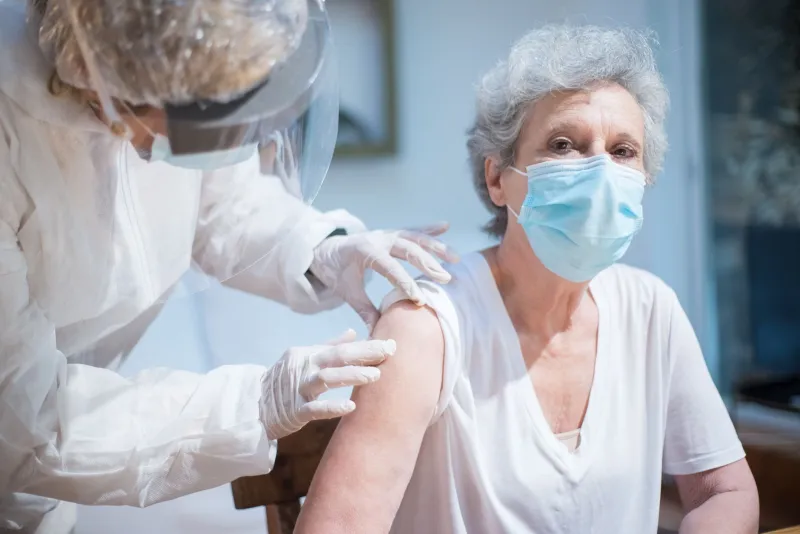
Aisle Nine, Arm Bared: The Retail Revolution That Put Vaccines Next to the Cereal
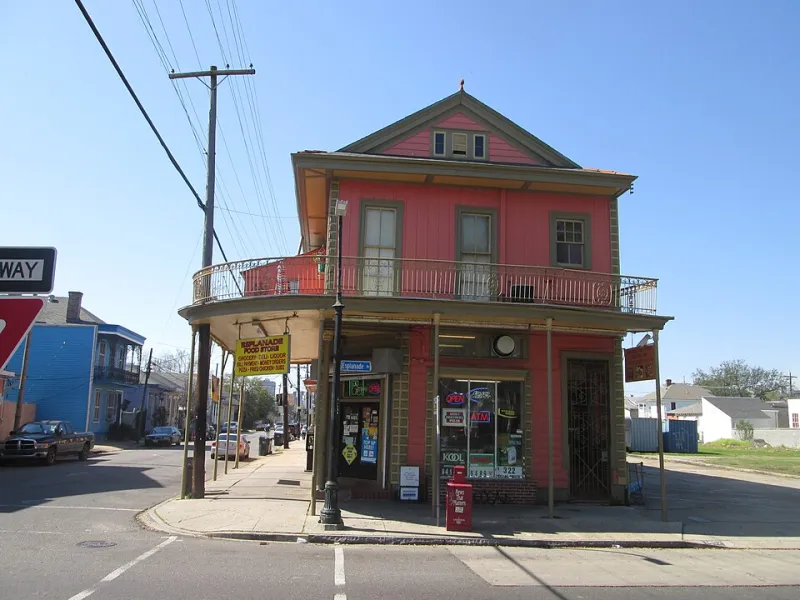
Photo: Infrogmation of New Orleans, CC BY-SA 2.5, via Wikimedia Commons
There is a particular kind of American errand that now ends differently than it used to. You stop in for milk and a prescription refill. A sign by the register mentions flu shots. Fifteen minutes later, you walk out with your groceries — and a bandage on your shoulder.
This is the retailization of immunization, and it has reshaped how the United States vaccinates its adults. Whether that reshaping is an unambiguous good is a more complicated question than the convenience suggests.
How the Grocery Aisle Became a Clinic
The logic was straightforward. Retailers already had locations in nearly every community, extended hours, and a steady stream of foot traffic. Vaccination, by contrast, was bottlenecked in physician offices with limited appointment slots. Merging the two was almost inevitable once state laws allowed it.
CVS built out its MinuteClinic model; Walmart embedded pharmacies in supercenters across rural America; Kroger, Albertsons, and regional grocers followed. Each discovered the same thing: a meaningful share of customers who had not gotten a flu shot in years would get one if it required no appointment and no separate trip.
The public health payoff has been real. Pharmacy-based vaccination is widely credited with lifting adult immunization rates, particularly among people who lack a regular primary care provider — a group that includes tens of millions of Americans.
The Case for Convenience
The advantages are easy to list. Retail clinics remove transportation barriers, eliminate waiting rooms, and operate on weekends. They accept most insurance and often publish transparent cash prices. For working parents, shift workers, and people managing chronic conditions on a tight schedule, lowering friction matters. Behavioral research has long shown that small frictions — a phone call, an appointment, a separate drive — suppress preventive care more than most people assume.
The Complications Beneath the Bandage
Yet the retail model raises questions that deserve honest treatment.
Follow-up care is thin. A multi-dose series, such as the HPV or hepatitis B vaccine schedule, requires a second and third visit. Retail settings are optimized for single encounters, and completion rates for multi-dose series given in pharmacies tend to lag. Patients who have a reaction or an adverse event may find that the pharmacist who administered the dose is not positioned to provide ongoing clinical management.
Records can fragment. Vaccines given at multiple retailers, plus others given at a doctor's office, can scatter across state registries and private systems. Patients who assume their primary care physician sees everything often discover otherwise at their next appointment.
Equity is not guaranteed. Retail pharmacies cluster in commercial corridors. Studies have found that pharmacy density and services offered vary by neighborhood income and race, meaning the communities with the lowest vaccination rates are not always the ones with the most accessible retail options.
None of this argues against retail immunization. It argues for using it deliberately.
Making the Model Work for You
If you receive vaccines at a retail pharmacy, a few habits close the gaps:
- Ask for documentation of every dose and store it with your personal health records.
- If you are starting a multi-dose series, schedule the follow-up before you leave the store.
- Share your pharmacy vaccination record with your primary care provider, or ask that it be entered into your chart.
- For vaccines beyond routine adult immunization — travel, catch-up schedules, immunocompromise-related needs — treat the pharmacy as a starting point and follow up with a clinician.
The grocery store vaccine clinic is neither a gimmick nor a complete substitute for medical care. It is a tool — and like any tool, it works best when the person using it understands what it can and cannot do.