Before You Board: The Essential Vaccination Guide for US Travelers Heading Abroad
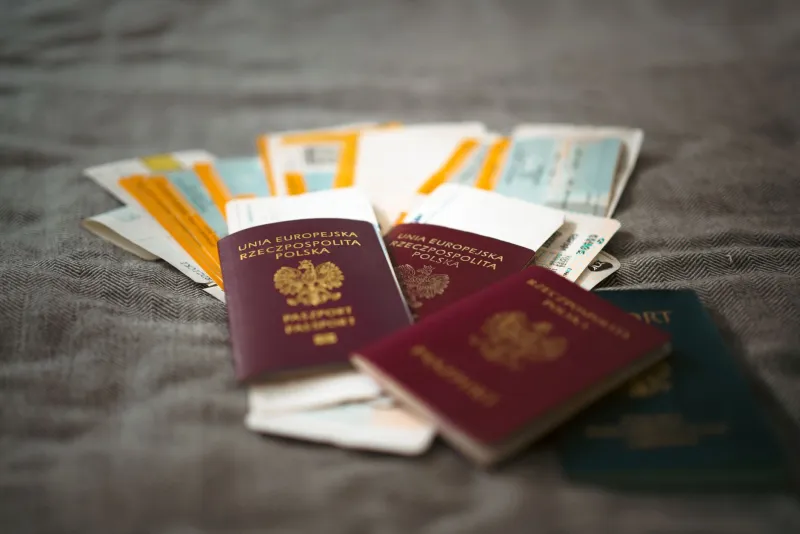
Most Americans spend considerable time researching flights, hotels, and itineraries before an international trip. Far fewer invest the same energy into their pre-departure health preparation. That oversight can carry real consequences. Vaccine-preventable illnesses do not respect passport stamps, and the pathogens circulating in many popular destinations are not ones the average US adult has been immunized against — or has ever encountered.
The good news: with a six-week runway before departure, most travelers can achieve solid immunological protection. Here is what you need to know.
Why Travel Vaccination Is Different from Routine Immunization
The vaccines most Americans receive throughout childhood and adulthood — influenza, Tdap, MMR, and others — are calibrated to the disease burden present in the United States. International travel introduces an entirely different risk landscape. Sanitation infrastructure, endemic disease patterns, mosquito species, and food-handling practices vary dramatically by region. A business traveler flying into Nairobi, a backpacker trekking through rural Vietnam, and a cruise passenger docking in Central American ports each face distinct exposure risks — and therefore distinct vaccination needs.
The Centers for Disease Control and Prevention (CDC) maintains destination-specific vaccine recommendations through its Travelers' Health portal, which serves as the authoritative resource for US travelers. However, translating those recommendations into an actionable plan is best done in collaboration with a travel medicine specialist.
Destination-by-Destination Breakdown
Southeast Asia
Travelers heading to Thailand, Vietnam, Cambodia, Indonesia, or the Philippines should consider several vaccines beyond their routine immunizations.
Typhoid is among the most commonly recommended. The bacterium Salmonella typhi spreads through contaminated food and water, and it is prevalent across much of Southeast Asia. Two vaccine formulations are available in the US: an oral live-attenuated vaccine taken over four days, and a single-dose injectable vaccine. Neither offers complete protection, so food and water precautions remain essential — but vaccination meaningfully reduces risk.
Japanese encephalitis (JE) is a mosquito-borne viral infection endemic to rural and agricultural areas across Asia. While the overall risk to short-term urban travelers is low, those spending a month or more in rural settings, visiting during peak transmission season, or engaging in extensive outdoor activities should discuss the JE vaccine with their provider. The two-dose IXIARO vaccine is the only JE vaccine licensed in the United States.
Hepatitis A vaccination is strongly recommended across the region. If you completed the two-dose series at any point in your adult life, you are likely protected for decades. If not, a single dose administered at least two weeks before travel provides meaningful protection.
Sub-Saharan Africa
Africa represents one of the most vaccine-intensive travel destinations for US citizens, particularly for those visiting rural areas or engaging in humanitarian or medical work.
Yellow fever is the headline concern. Many sub-Saharan African countries — including Kenya, Uganda, Ghana, and the Democratic Republic of Congo — require proof of yellow fever vaccination for entry. Even in countries where it is not legally mandated, the CDC recommends the vaccine for travelers visiting areas where yellow fever transmission occurs. The yellow fever vaccine is a live-attenuated vaccine administered only at CDC-designated yellow fever vaccination centers, and it typically confers lifelong protection after a single dose.
Meningococcal disease warrants attention, particularly for travelers to the "meningitis belt" — a band of countries stretching from Senegal to Ethiopia. The quadrivalent meningococcal vaccine (MenACWY) is recommended for this region. Travelers should also confirm their typhoid and hepatitis A status.
Rabies pre-exposure prophylaxis is worth discussing with a travel medicine provider for those spending extended time in areas with limited access to medical care, working with animals, or engaging in adventure activities. Pre-exposure vaccination does not eliminate the need for post-exposure treatment, but it simplifies and extends the window for that treatment.
Latin America and the Caribbean
Travel throughout Mexico, Central America, and South America varies considerably by destination and travel style. Urban business travelers to Mexico City or Buenos Aires face a different risk profile than those trekking through the Amazon basin.
Typhoid and hepatitis A remain relevant across much of Latin America, particularly for travelers venturing beyond resort areas or major cities. Yellow fever vaccination is recommended for portions of South America, including areas of Brazil, Peru, Bolivia, and Colombia.
For cruise passengers making port calls in the Caribbean or Central America: the risk profile is generally lower for those remaining in tourist areas, but hepatitis A vaccination and up-to-date routine immunizations are still advisable.
Cruise Travel
Cruise ships present a unique epidemiological environment. Close quarters, shared dining facilities, and stops at multiple international ports create conditions conducive to gastrointestinal illness and respiratory infections. Beyond destination-specific vaccines, cruise travelers should ensure their influenza vaccination is current and their COVID-19 immunization status is up to date. Some cruise lines maintain their own health requirements — reviewing those policies before sailing is prudent.
The Six-Week Preparation Window
Timing matters. Several travel vaccines require multiple doses administered weeks apart. The JE vaccine, for instance, is given as a two-dose series with doses separated by 28 days. Typhoid oral vaccine requires four doses over seven days. Even single-dose vaccines benefit from being administered well in advance to allow the immune system adequate time to build a protective response.
The CDC and most travel medicine specialists recommend initiating the vaccination process four to six weeks before departure. For complex itineraries or destinations with multiple vaccine requirements, an eight-week lead time is even better.
Finding a Travel Medicine Clinic
Not every primary care provider is equipped to administer all travel vaccines — yellow fever vaccination, in particular, is restricted to CDC-designated facilities. The CDC's website maintains a searchable directory of authorized yellow fever vaccination clinics by zip code. Many university medical centers, large health systems, and dedicated travel medicine practices offer comprehensive pre-travel consultations.
During a travel medicine appointment, a provider will review your destination, itinerary, planned activities, current health status, and vaccination history before making individualized recommendations.
Understanding Insurance Coverage
Travel vaccines occupy an inconsistent position within US health insurance. Routine vaccines recommended by the Advisory Committee on Immunization Practices (ACIP) are generally covered under the Affordable Care Act's preventive care provisions. However, travel-specific vaccines — such as yellow fever, JE, and typhoid — may not be covered by all plans, or may require prior authorization.
Before your appointment, contact your insurer to clarify coverage. Some travel insurance policies include provisions for pre-travel vaccinations. Retail pharmacy clinics and travel medicine specialists can often provide cost estimates in advance.
Routine Vaccines Still Matter
Amid the focus on destination-specific immunizations, it is worth emphasizing that routine vaccines form the foundation of travel health. Measles outbreaks have occurred in travelers returning from Europe and Asia. Tetanus exposure is possible anywhere. Hepatitis B vaccination is recommended for any traveler who might receive medical or dental care abroad, engage in tattooing or piercing, or have sexual contact with new partners.
Review your complete vaccination record — not just the travel-specific items — before any international trip.
A Final Word
Vaccination is one of the most effective tools available to protect your health while traveling. It is also finite in its scope: no vaccine exists for every travel-related illness, and behaviors such as safe food and water practices, insect repellent use, and sun protection remain essential complements to immunization.
But for the diseases that vaccines can prevent, protection is available — and the window to obtain it before your departure is often shorter than travelers anticipate. Start the conversation with a travel medicine provider early, bring your vaccination records, and give your immune system the preparation it deserves before you board.